The summaries below are structured for institutional readers: problem framing, what was built, and
the practical impact on monitoring and program management. Details may be anonymized or
generalized where required by partners.
SMNet MIS
Interface examples:
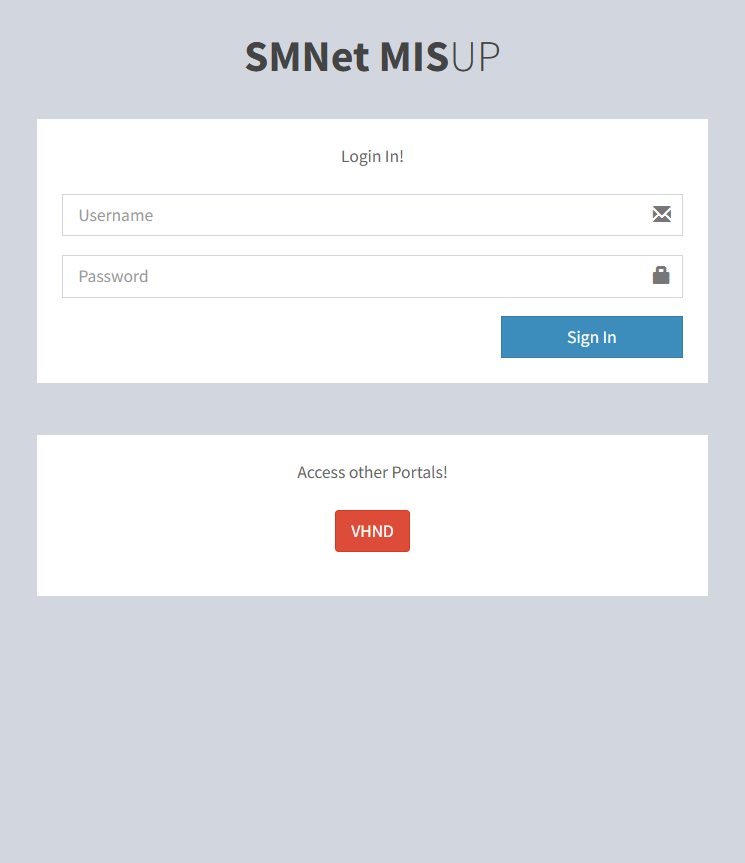
Login & portal access (VHND)
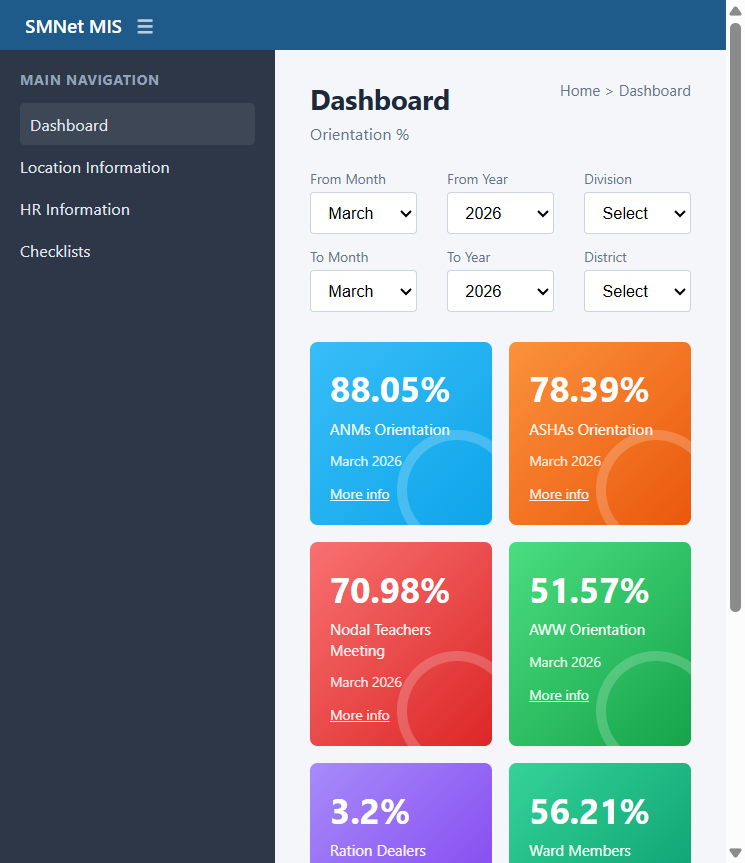
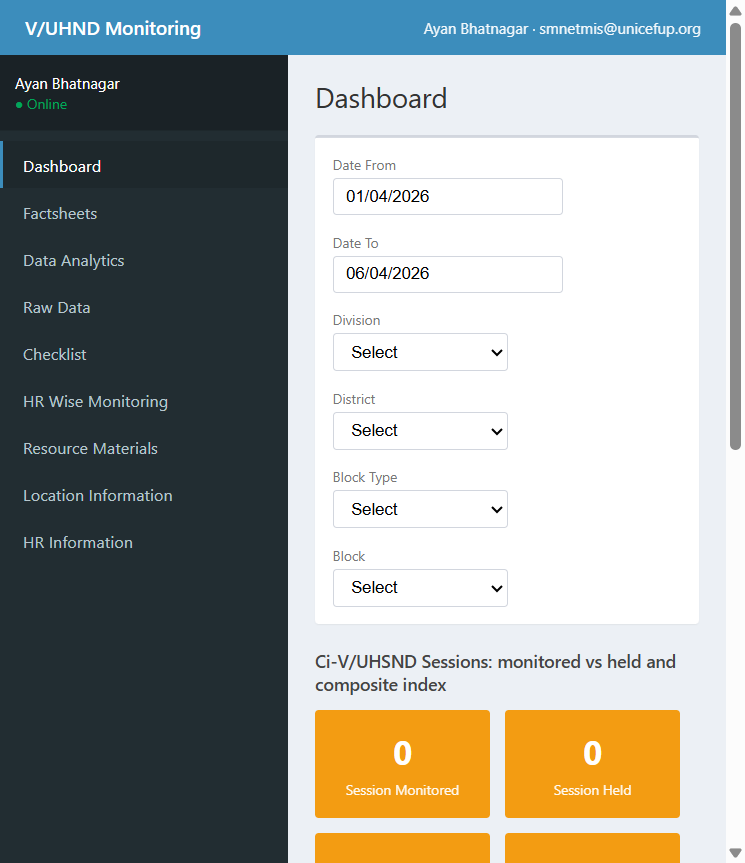
Dashboard & filters
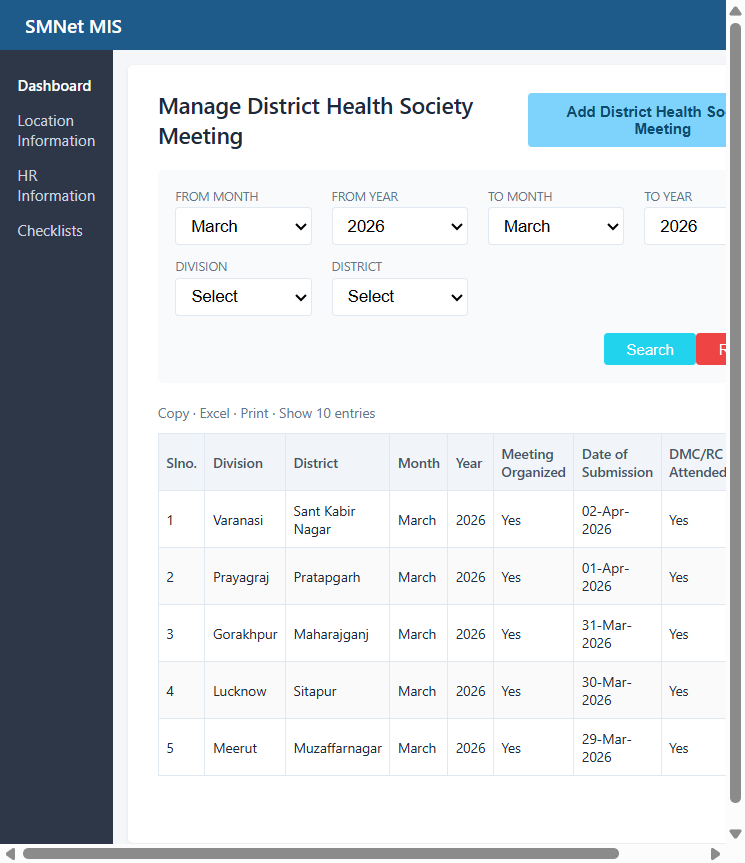
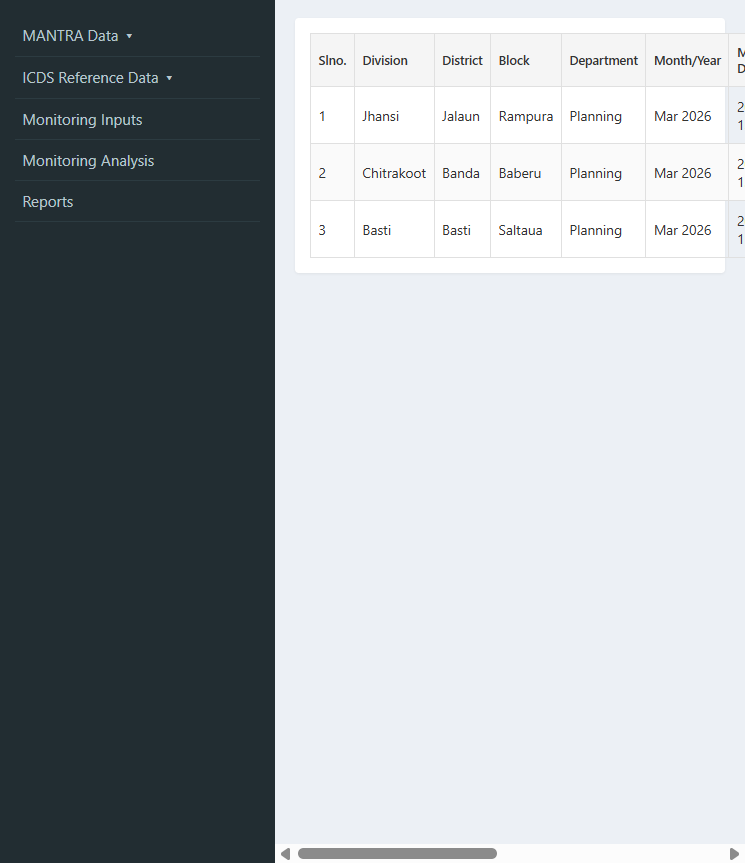
DHS meetings (manage)
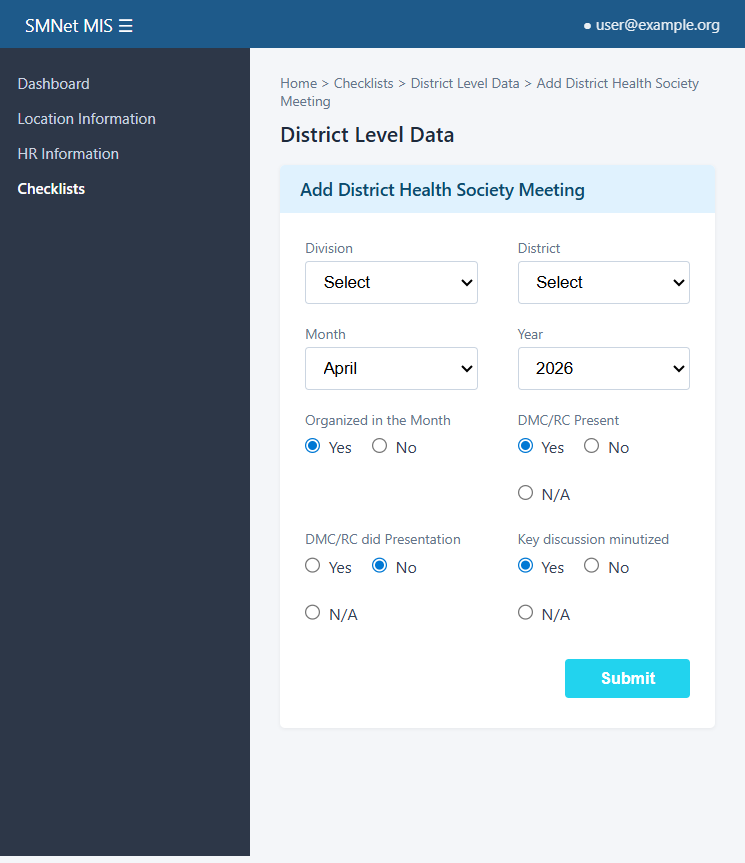
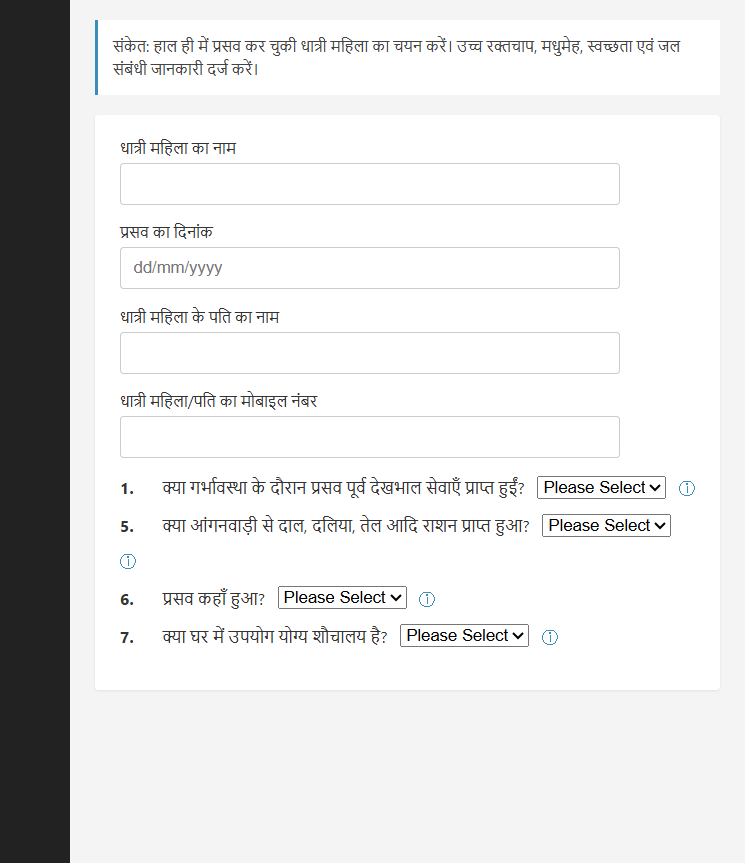
Structured data entry
Problem
Supervision and field activity reporting needed to be consolidated for timely district and
state reviews—without losing traceability across teams and geographies.
Solution
A monitoring information system aligned to SMNet workflows—capturing structured visits,
follow-ups, and indicators with role-based access and review-friendly outputs.
Impact
Improved visibility of field coverage and follow-through—supporting management conversations
with consistent numbers rather than ad-hoc spreadsheets.
AB Monitoring Portal
Interface examples:
Portal login
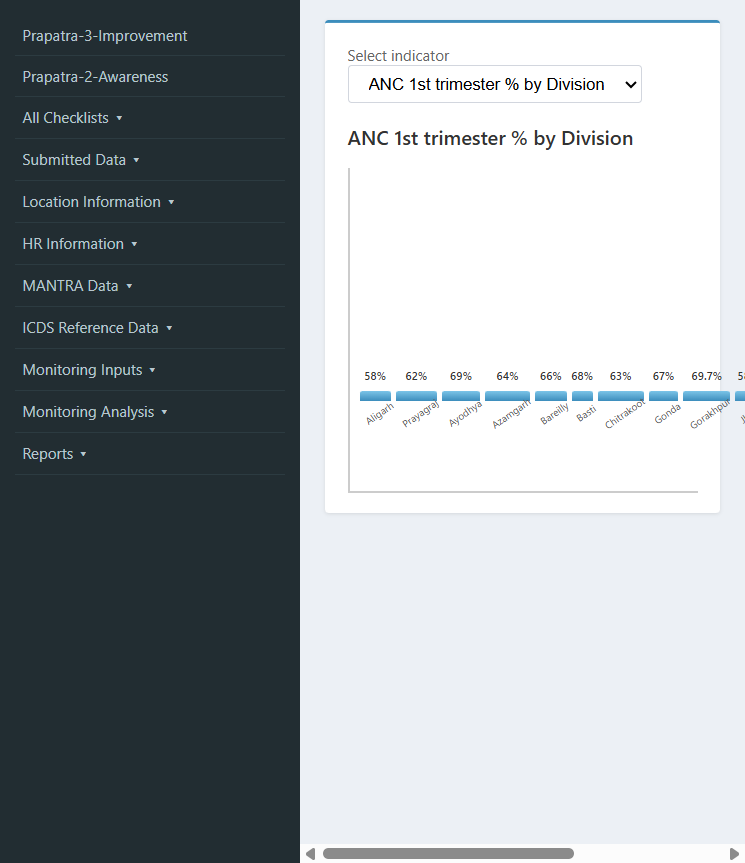
Monitoring analysis — charts
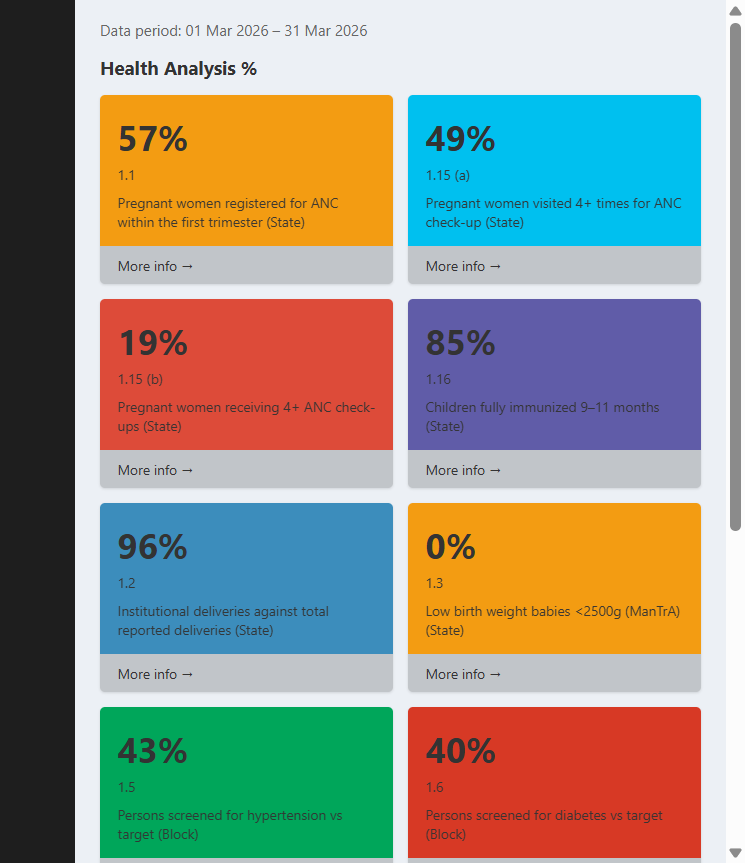
KPI dashboard
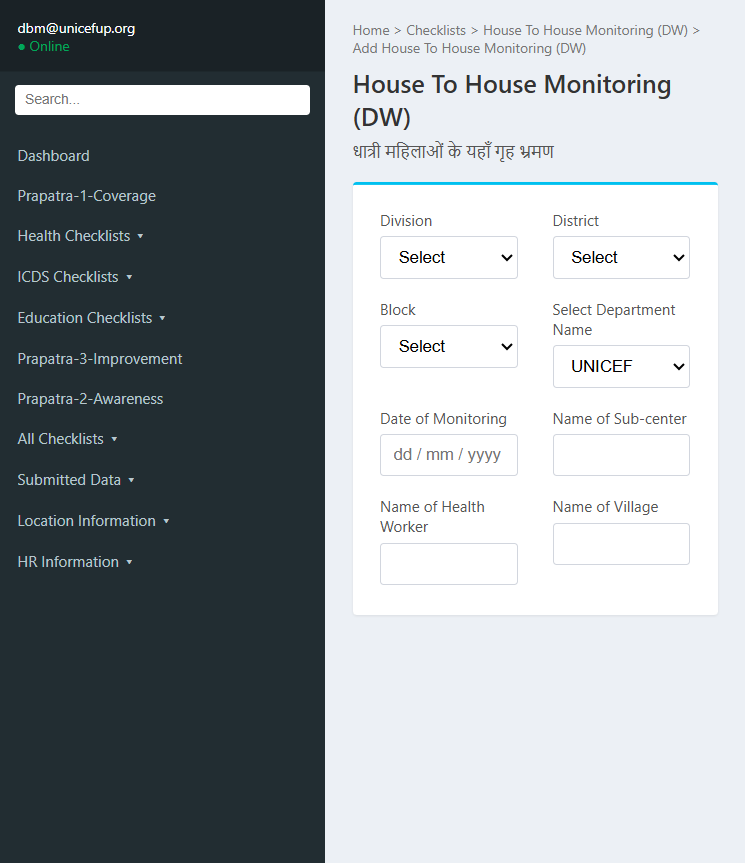
Structured checklist — setup
Localized field survey
Review & management grid
Problem
Program teams required a single place to track progress, exceptions, and periodic targets for
monitoring AB-related service delivery indicators.
Solution
A web portal for structured data entry, validation, and dashboards—designed around review
meetings and the indicators partners already track.
Impact
Faster identification of gaps and trends—helping teams prioritize supervision and corrective
action during monthly and quarterly cycles.
VHND Portal
Interface examples:
Portal login & cross-links
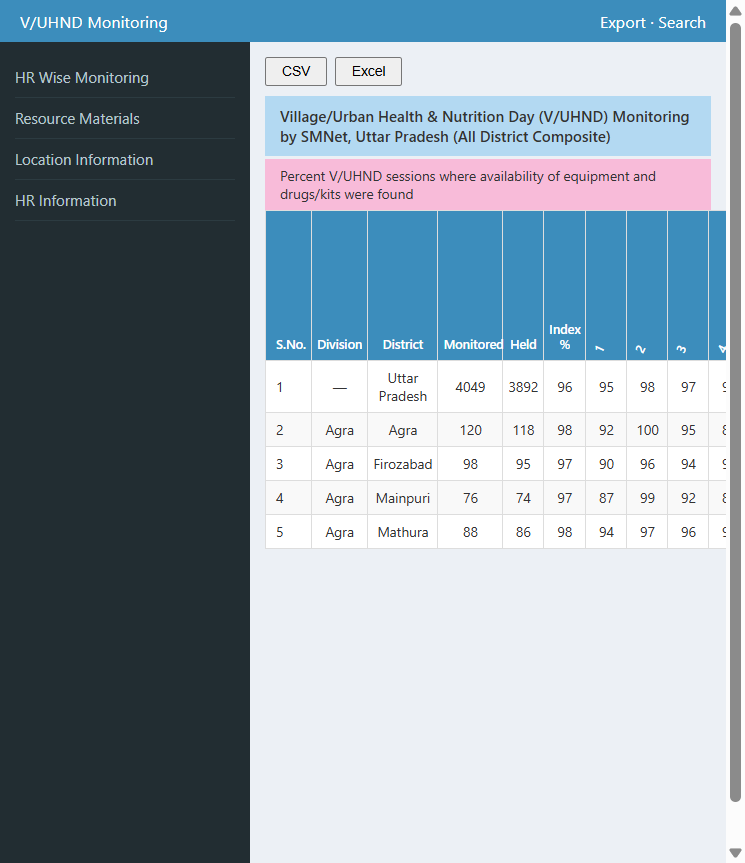
Dashboard & filters
Analytics & exports
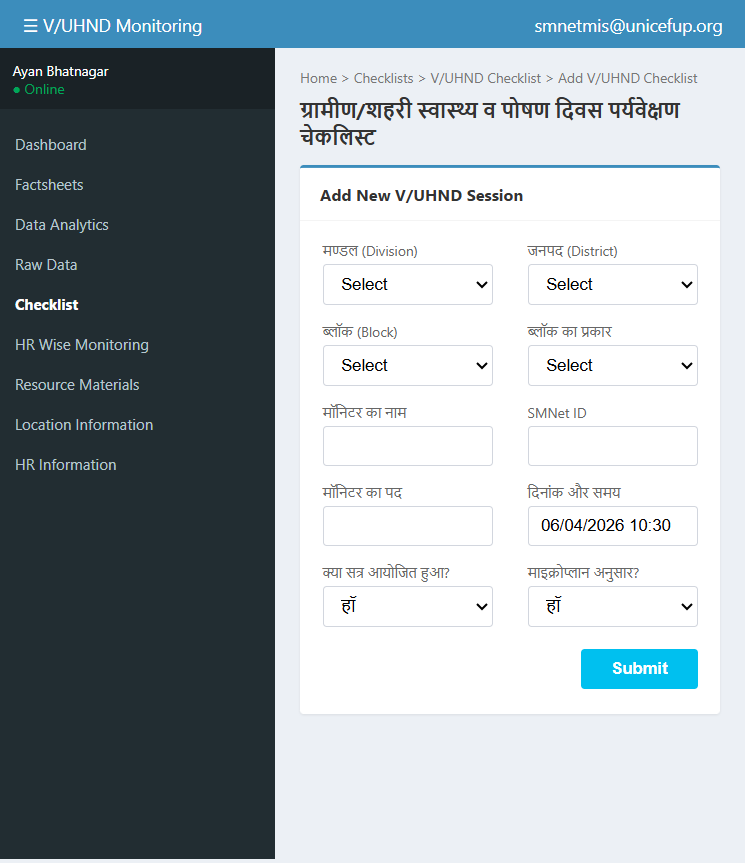
Field checklist capture
Problem
Village health and nutrition day (VHND) planning and reporting needed to be visible for
coordination—reducing missed sessions and improving follow-up tracking.
Solution
A portal supporting schedules, attendance-related workflows, and summary views for
supervisors—aligned to public program routines at the community level.
Impact
More predictable community sessions and clearer follow-up loops—supporting primary healthcare
outreach visibility for district teams.
MaNTrA Dashboard (NHM, Uttar Pradesh)
MaNTrA (Maternal & Newborn Tracking Application) is hosted on the National Health Mission,
Government of Uttar Pradesh (mantradashboard.upnrhm.gov.in), with delivery support
attributed on the portal to UNICEF and Tattva Foundation.
Interface examples:
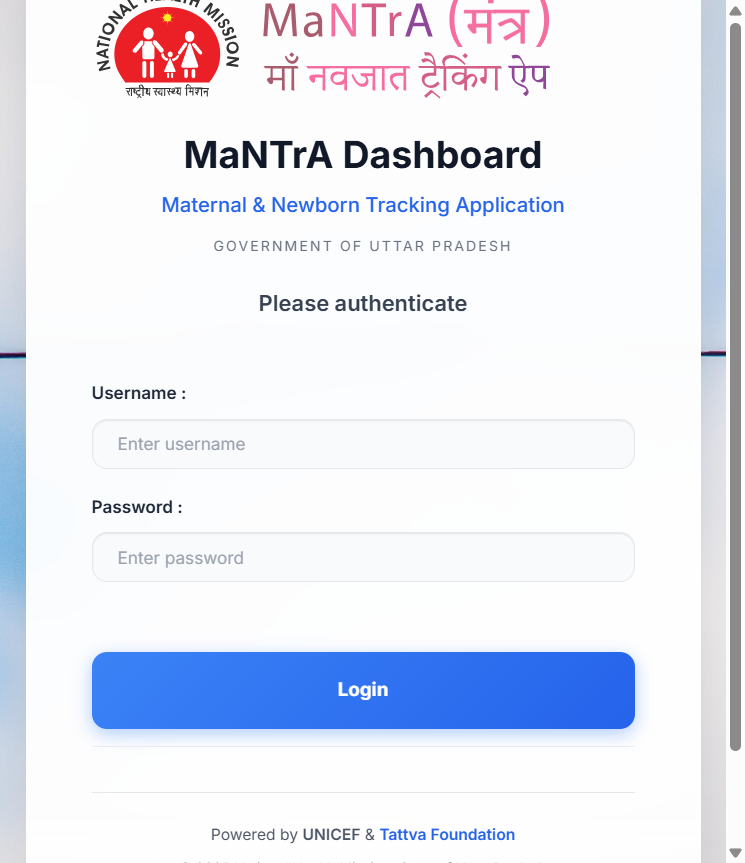
Secure entry & programme branding
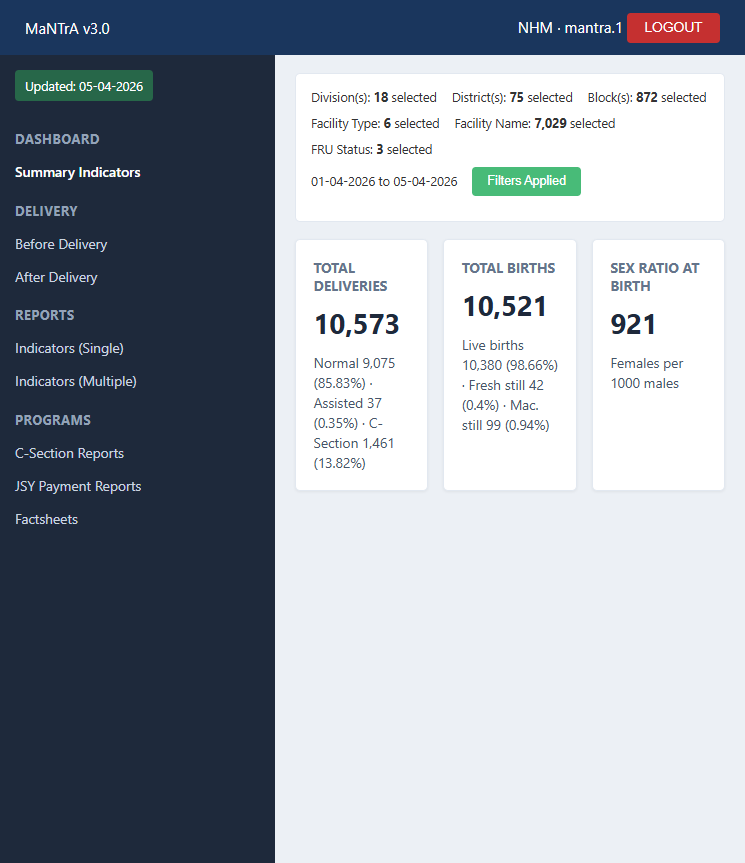
Summary view & geography scope
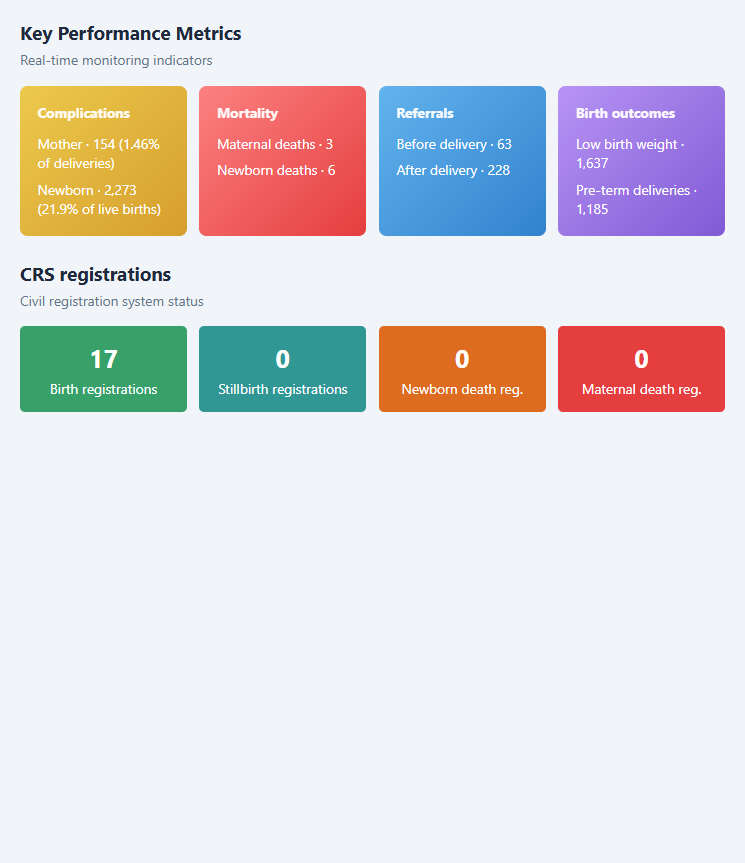
KPI monitoring & civil registration
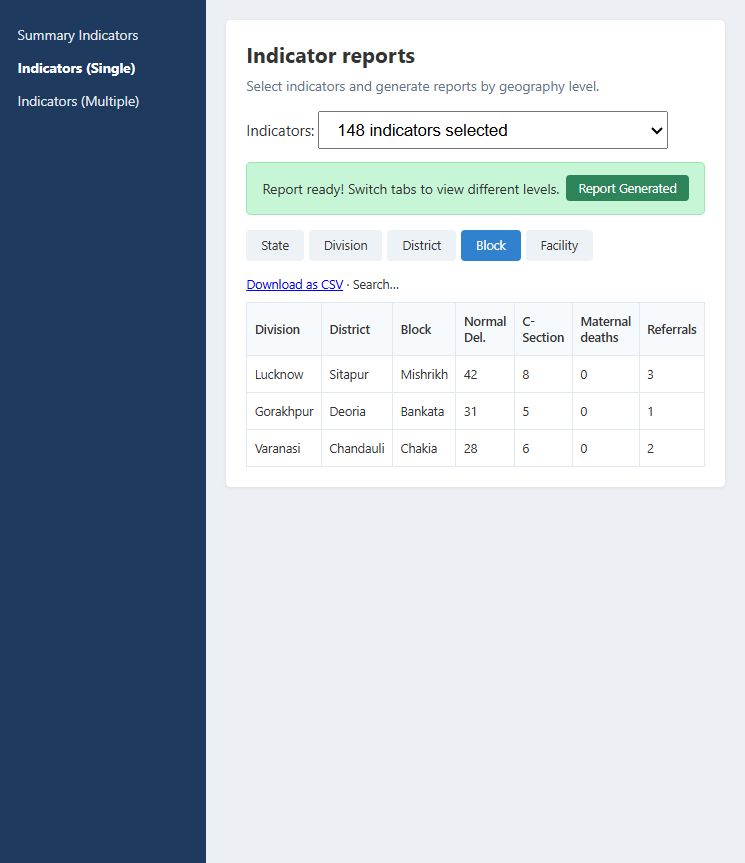
Multi-level indicator reports
Problem
State maternal and newborn programmes need timely, facility-linked visibility—without losing
traceability from summary indicators down to blocks and facilities for reviews and accountability.
Solution
MaNTrA provides filtered dashboards, KPI views, CRS status, and downloadable indicator extracts for
NHM Uttar Pradesh. Our consulting engagement included acting as a contact point between
UNICEF and the development partner—supporting alignment on priorities,
requirements, and rollout communication alongside implementation teams.
Impact
A single, authoritative workspace for high-stakes indicators—helping programme and partner teams
steer supervision, reporting, and cross-agency coordination with clearer ownership of numbers.
For procurement discussions, detailed references may be shared under appropriate confidentiality.